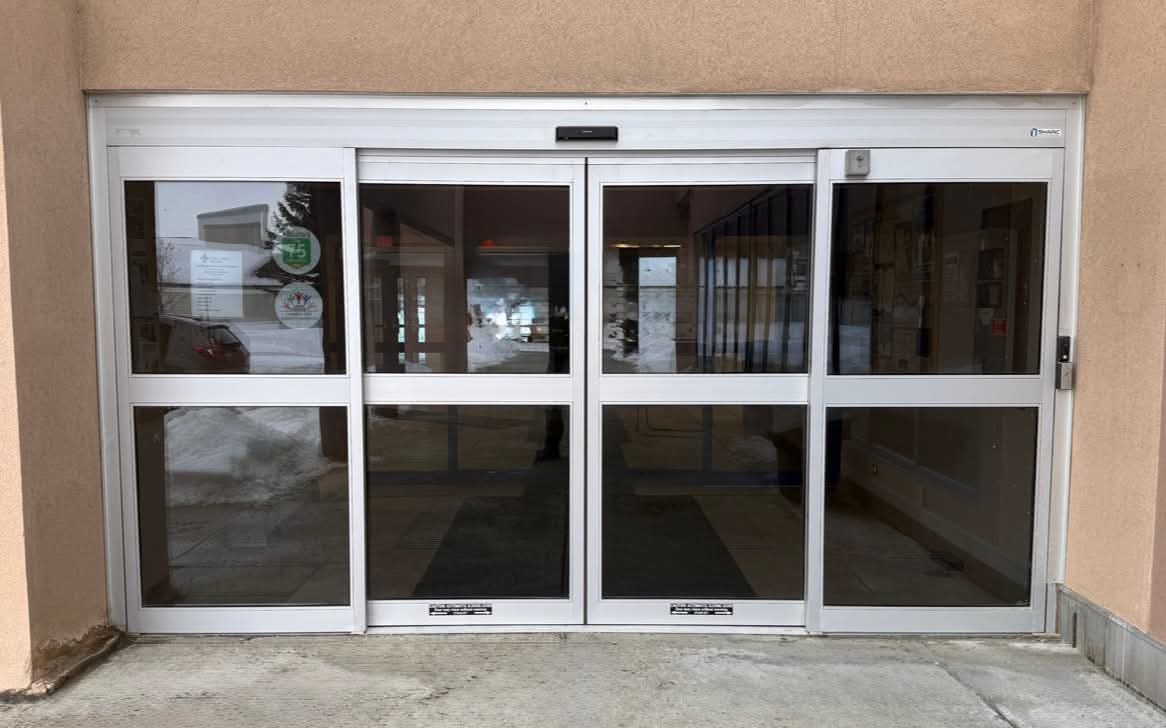
Automatic doors are one of those building systems most people don’t think about—until they stop working.
In commercial buildings across Edmonton, Stanley automatic doors are everywhere. Hospitals, offices, retail spaces, and multi-unit properties rely on them daily for accessibility, safety, and smooth traffic flow.
But installing or servicing a Stanley automatic door isn’t just about swapping parts or getting the door moving again. Long-term reliability depends on proper setup, OEM components, and technicians who understand the full door system—not just the operator.
If you’re responsible for a commercial building, this guide explains what matters when it comes to Stanley automatic doors, and how to get the most out of them over their lifespan.
Understanding Stanley Automatic Doors
Why Stanley Is a Trusted Name
Stanley Access Technologies is one of the most established manufacturers in the automatic door industry. Their systems are widely specified because they’re built for high-cycle commercial use and long-term serviceability.
You’ll often find Stanley doors in:
- Healthcare facilities
- Office buildings
- Retail and grocery stores
- Airports and institutional buildings
- Multi-unit residential common areas
Their reputation isn’t built on flash—it’s built on consistency, parts availability, and proven designs.
Common Stanley Automatic Door Types
Stanley systems cover most commercial applications, including:
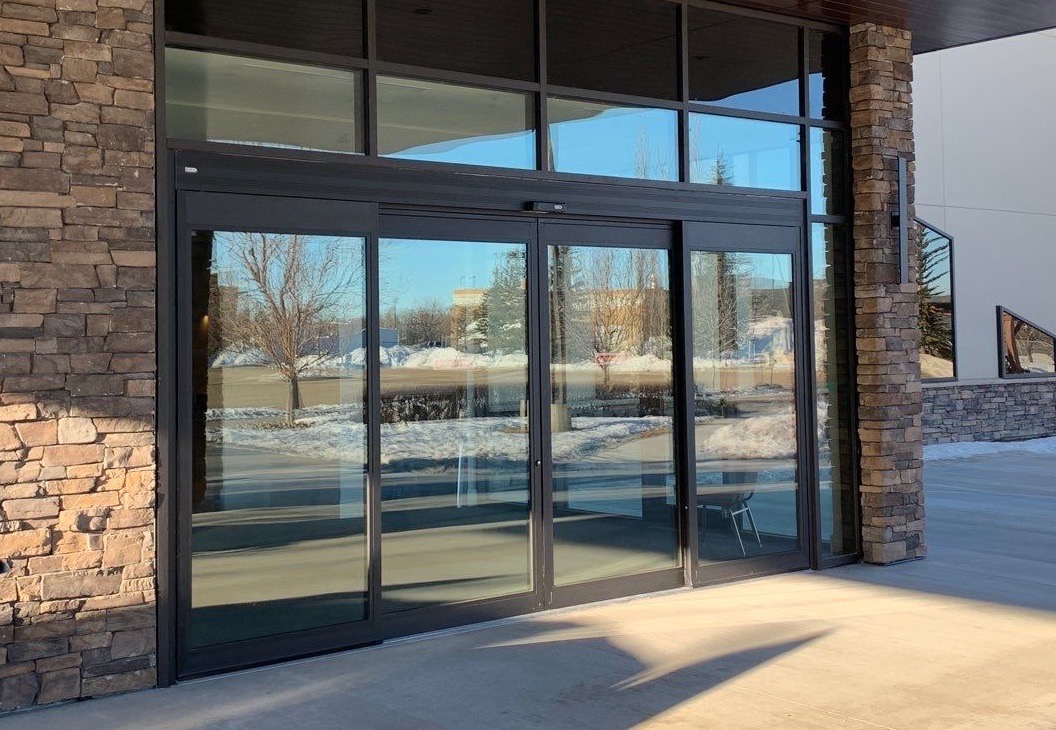
- Automatic sliding doors
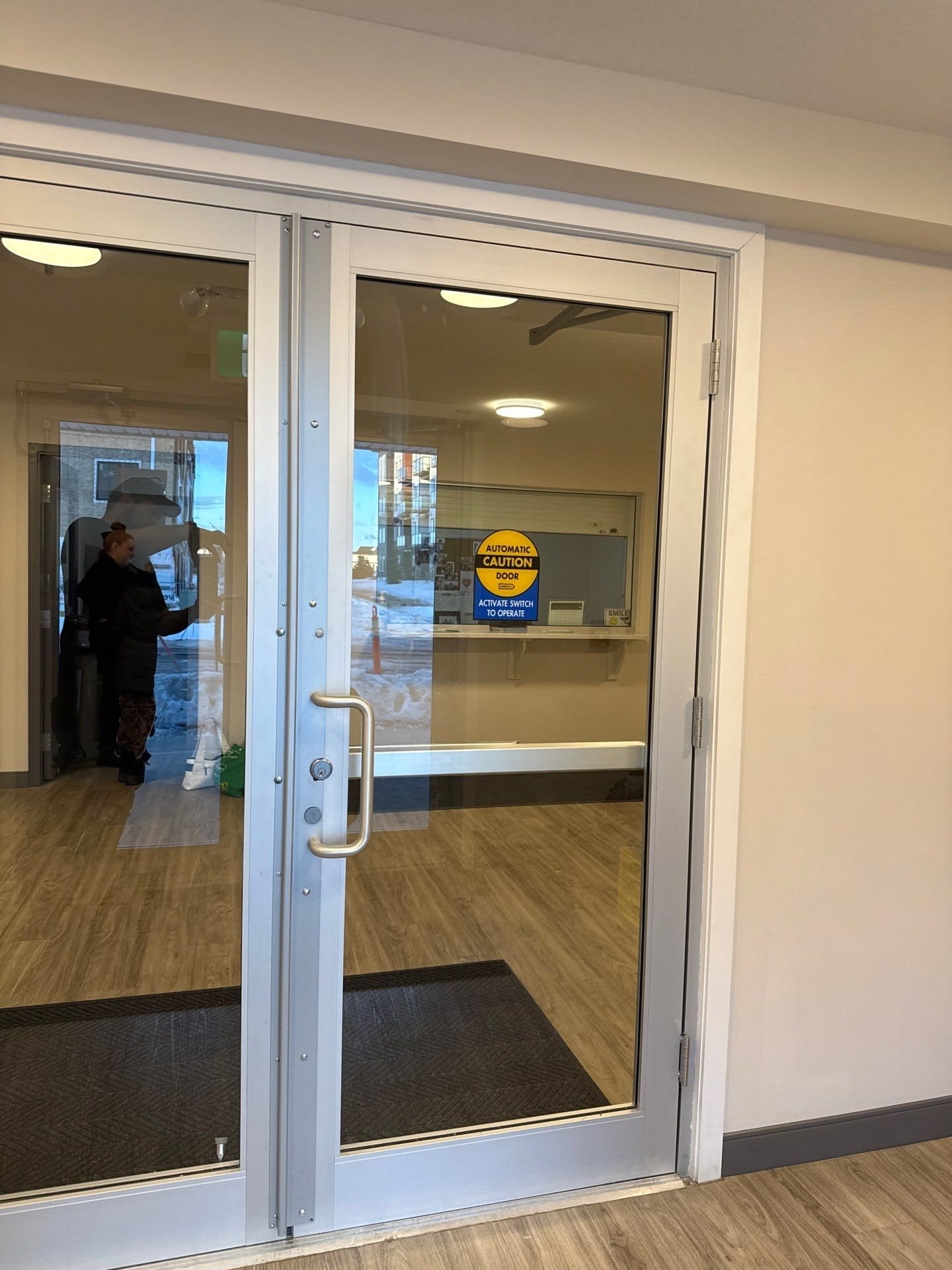
- Automatic swing door operators
- Low-energy and full-energy systems
Each system is designed to work as part of a complete door opening, not as a standalone component.
Installation Matters More Than Most People Realize
It’s More Than Mounting an Operator
A Stanley automatic door is only as good as its installation. Proper installation involves:
- Correct door and frame alignment
- Proper sensor placement and safety coverage
- Correct operator configuration and force settings
- Compliance with accessibility and safety standards
Even high-quality equipment can perform poorly if the surrounding door hardware, clearances, or controls aren’t addressed correctly.
OEM Parts Make a Difference
Using Stanley OEM parts isn’t just about branding—it’s about compatibility and reliability.
OEM components:
- Are designed specifically for Stanley systems
- Maintain proper safety tolerances
- Reduce nuisance failures and callbacks
- Protect long-term serviceability
Servicing Stanley Automatic Doors in Edmonton
What Proper Service Actually Includes
Servicing an automatic door isn’t just reacting to a breakdown. Professional service focuses on:
- Diagnosing root causes, not symptoms
- Verifying safety sensor performance
- Checking door speed, force, and timing
- Inspecting wear items before they fail
- Confirming code compliance
In Edmonton’s climate, seasonal changes can also affect door performance, making regular inspection even more important.
Why Familiarity With Stanley Systems Matters
Stanley doors have their own logic, settings, and quirks. A technician unfamiliar with Stanley equipment may:
- Miss subtle fault conditions
- Adjust settings incorrectly
- Replace parts unnecessarily
- Overlook safety-related issues
Working with a service provider who has the proper tools and experience installing and servicing Stanley doors helps avoid these problems.
Safety, Compliance, and Inspections
Automatic Doors Are Regulated Equipment
Automatic doors aren’t just convenience features—they’re regulated systems with safety requirements.
In commercial environments, doors must:
- Operate safely for all users
- Meet accessibility standards
- Be inspected regularly
- Function correctly during emergencies
Improperly adjusted or poorly maintained doors can become liability risks, especially in high-traffic buildings.
The Role of Regular Inspections
Routine inspections help:
- Identify safety issues early
- Reduce unexpected downtime
- Extend equipment life
- Support compliance documentation
For property managers and building operators, inspections aren’t just a best practice—they’re risk management.
See Service & Preventative Maintenance
Long-Term Ownership: What to Expect
How Long Do Stanley Automatic Doors Last?
With proper installation and maintenance, Stanley automatic doors can last many years. Longevity depends on:
- Traffic volume
- Environmental exposure
- Quality of installation
- Consistency of service
Most major issues aren’t sudden failures—they’re the result of deferred maintenance or incorrect adjustments over time.
Repair vs. Replacement
Not every issue means replacement. In many cases:
- OEM part replacement restores full function
- Adjustments resolve recurring faults
- Upgrades can be phased over time
An experienced service provider can help you make practical decisions based on condition, usage, and budget.
Practical Tips / Action Steps
- Schedule regular inspections, not just reactive service
- Use OEM parts to maintain system integrity
- Address minor issues early to avoid larger failures
- Ensure safety sensors are tested—not just visually checked
- Work with technicians experienced in Stanley systems
- Keep records of service and inspections for compliance
Frequently Asked Questions
Are Stanley automatic doors suitable for high-traffic buildings?
Yes. Stanley systems are designed for commercial environments with frequent daily use, when properly installed and maintained.
Can non-OEM parts be used on Stanley doors?
They can be, but it’s not recommended. OEM parts are designed for proper fit, performance, and safety.
How often should automatic doors be serviced?
At minimum, annual inspections are recommended. High-traffic locations may benefit from more frequent checks.
Do automatic doors need to meet accessibility codes?
Yes. Automatic doors in commercial buildings must meet applicable accessibility and safety standards.
Can existing doors be upgraded to Stanley operators?
In many cases, yes—but the entire door opening must be evaluated to ensure compatibility and safe operation.
Conclusion
Stanley automatic doors are a solid, proven choice for commercial buildings—but their performance depends heavily on how they’re installed and serviced.
Using OEM components, following proper safety standards, and working with technicians who understand Stanley systems all play a role in long-term reliability.
For building owners and managers in Edmonton, the goal isn’t just a door that opens—it’s a system that operates safely, consistently, and with minimal disruption.
If you have Stanley automatic doors in your building—or are planning a new installation—our team supports commercial properties across Edmonton and surrounding areas.
Contact us to schedule service, request an assessment, or discuss your automatic door needs.